Physical retail in India is far from dead, but the path to the store has changed. A shopper looking for a sofa, a saree or a smartphone usually checks Google Maps, Instagram and online prices before visiting. Local stores win when they are easy to find, show what they stock, offer something online cannot, such as touch, trial, advice, same-day delivery or easy service, and stay in touch with customers on WhatsApp. This playbook shows how.
Who this playbook is for
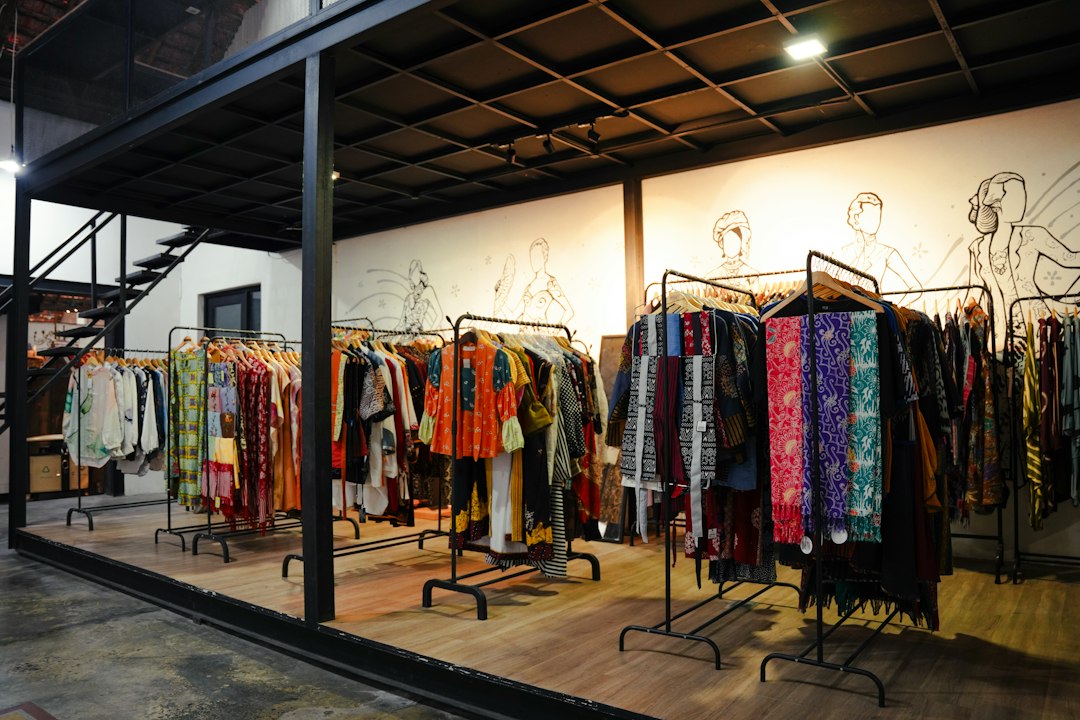
Clothing and footwear stores, jewellery showrooms, furniture and home decor stores, electronics and mobile shops, supermarkets and kirana stores, opticians, and regional retail chains. A jewellery store sells trust and craftsmanship, an electronics shop sells advice and after-sales service, and a fashion boutique sells style and the latest arrivals.
Step 1: Be found on Google Maps
- Google Business Profile for every outlet: exact category such as Furniture store, opening hours, parking information, product photos, payment options and a link to WhatsApp.
- Products on Google: add key products or collections to your profile so they appear when people search nearby.
- Reviews: ask happy customers at billing with a QR code. Stores with more recent reviews tend to get more direction requests and calls.
- Store pages on your website: one page per outlet with address, map, hours, brands stocked and photos.
Step 2: Show what is new
Shoppers visit when they know something new or exciting is waiting. Post new arrivals, festive collections, styling ideas and product demos as Reels several times a week, and share the same content in a WhatsApp broadcast or channel. For high-value items like jewellery or furniture, explain craftsmanship, materials and care to build confidence before the visit.
Step 3: Footfall campaigns
Use Meta ads targeted within a few kilometres of each store to promote launches, festival offers and events. Google Search and Maps ads capture people actively looking for a product nearby. Use store-visit offers such as an in-store-only gift, styling session or exchange offer, and track them with codes so you can measure what actually brings people in.
Step 4: Turn buyers into regulars
Capture phone numbers at billing with consent, then send birthday offers, new collection alerts and festival greetings on WhatsApp. A simple loyalty programme and timely service reminders, such as eye tests or appliance servicing, keep customers coming back. Repeat customers usually spend more and cost far less to reach than new ones.
Step 5: Plan for festivals and wedding season
Diwali, Dussehra, Eid, Onam, Pongal, Christmas and the wedding season drive a large share of annual sales for many retailers. Plan stock, offers and creatives six to eight weeks ahead and build your WhatsApp and retargeting audiences before the rush.
A realistic 90-day plan
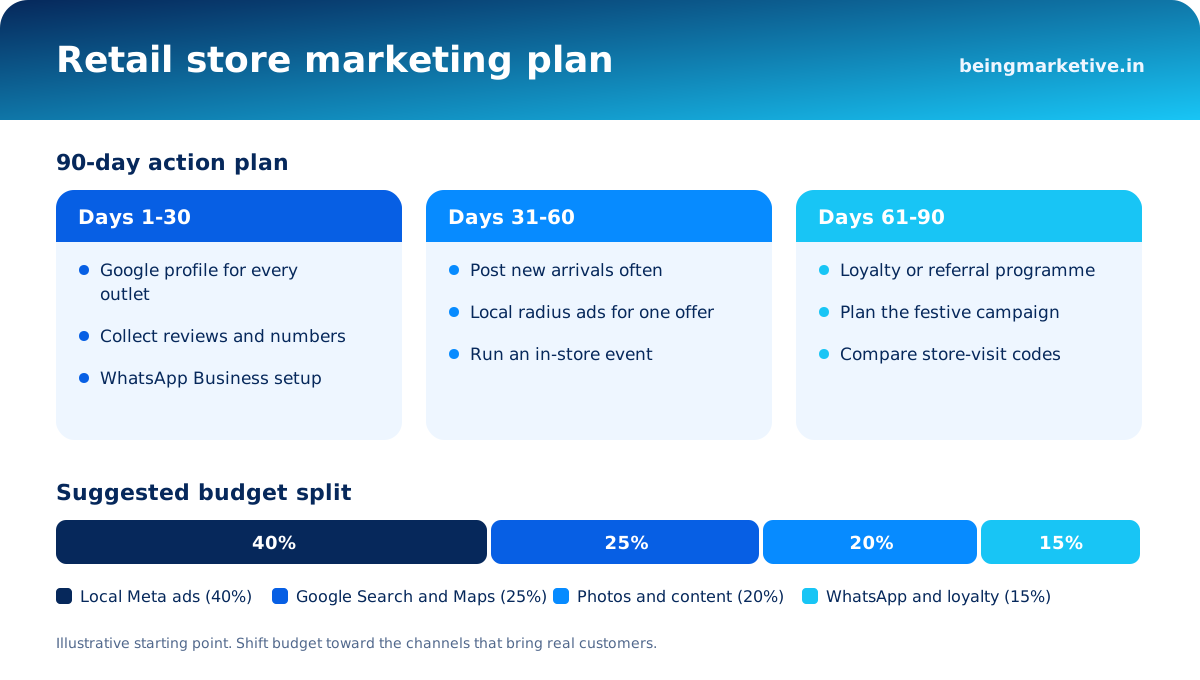
- Days 1 to 30: complete Google profiles for all outlets, start collecting reviews and phone numbers, set up WhatsApp Business and a weekly content calendar.
- Days 31 to 60: post new arrivals consistently, launch local radius ads for one offer, run an in-store event and add store pages to your website.
- Days 61 to 90: launch a loyalty or referral programme, plan the next festive campaign, compare store-visit codes and refine offers.
Budget guidance
Many independent retailers spend 2 to 5 percent of revenue on marketing. A good starting digital split is around 40 percent on local Meta ads, 25 percent on Google Search and Maps, 20 percent on photography and content, and 15 percent on WhatsApp and loyalty tools. Measure calls, direction requests, store visits from offers and repeat purchases.
Related playbooks and services
See the e-commerce playbook to start selling online, the social media marketing guide for reels and WhatsApp, and the paid advertising guide for local campaigns.